
Introduction
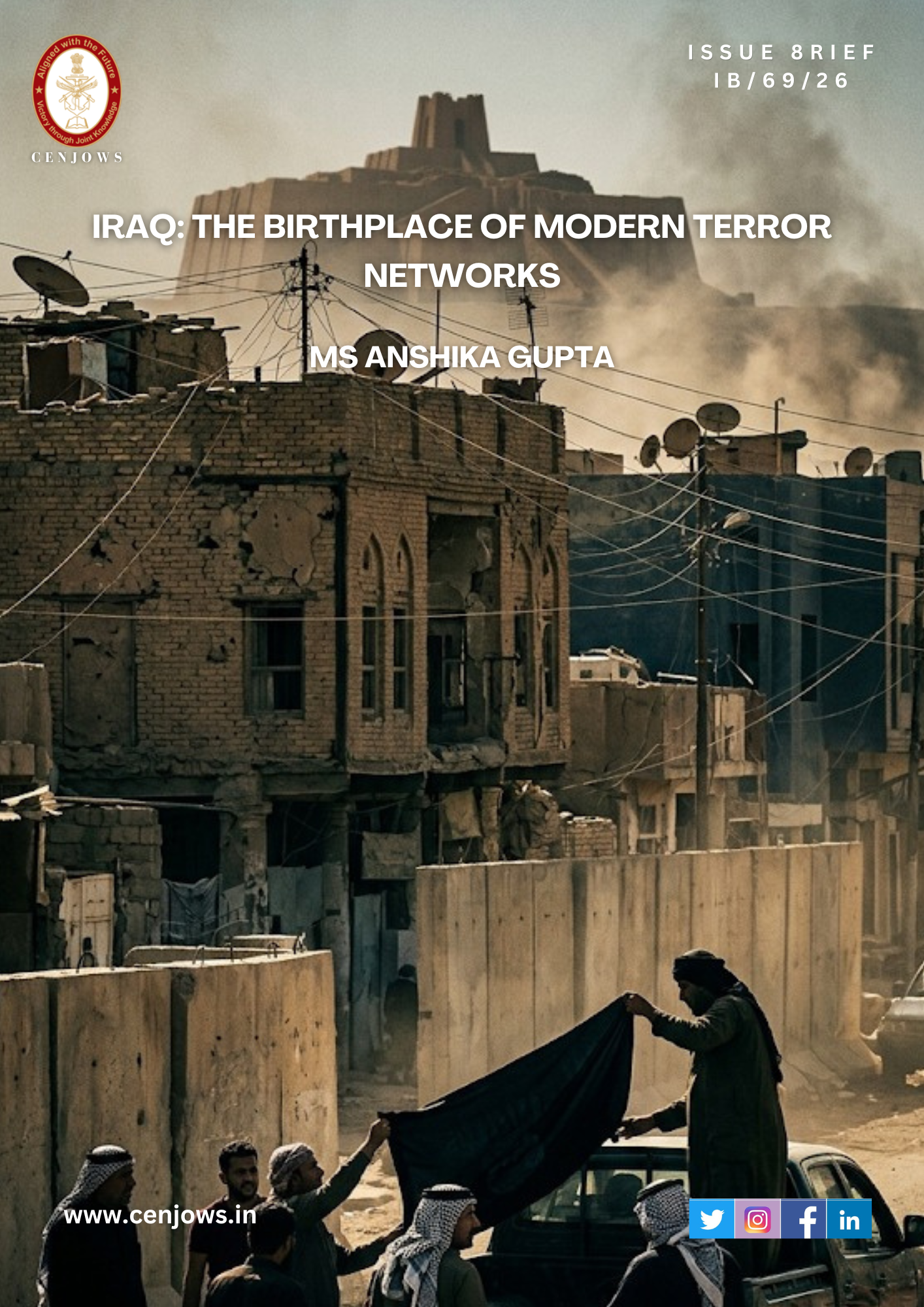
The 2003 United States-led invasion of Iraq stands as one of the most consequential geopolitical decisions of the twenty-first century. Premised on unverified claims of weapons of mass destruction and a contested nexus between the Ba’athist regime and transnational terrorism, the intervention toppled a functioning (if authoritarian) state and unleashed dynamics that would reshape the security architecture of West Asia for decades. The vacuum created by the collapse of the Iraqi state, compounded by catastrophic post-conflict management decisions, became the incubator for what is now recognised as the world’s most sophisticated modern terror network: the Islamic State of Iraq and Syria (ISIS), also known by the Arabic acronym Daesh.