
Abstract
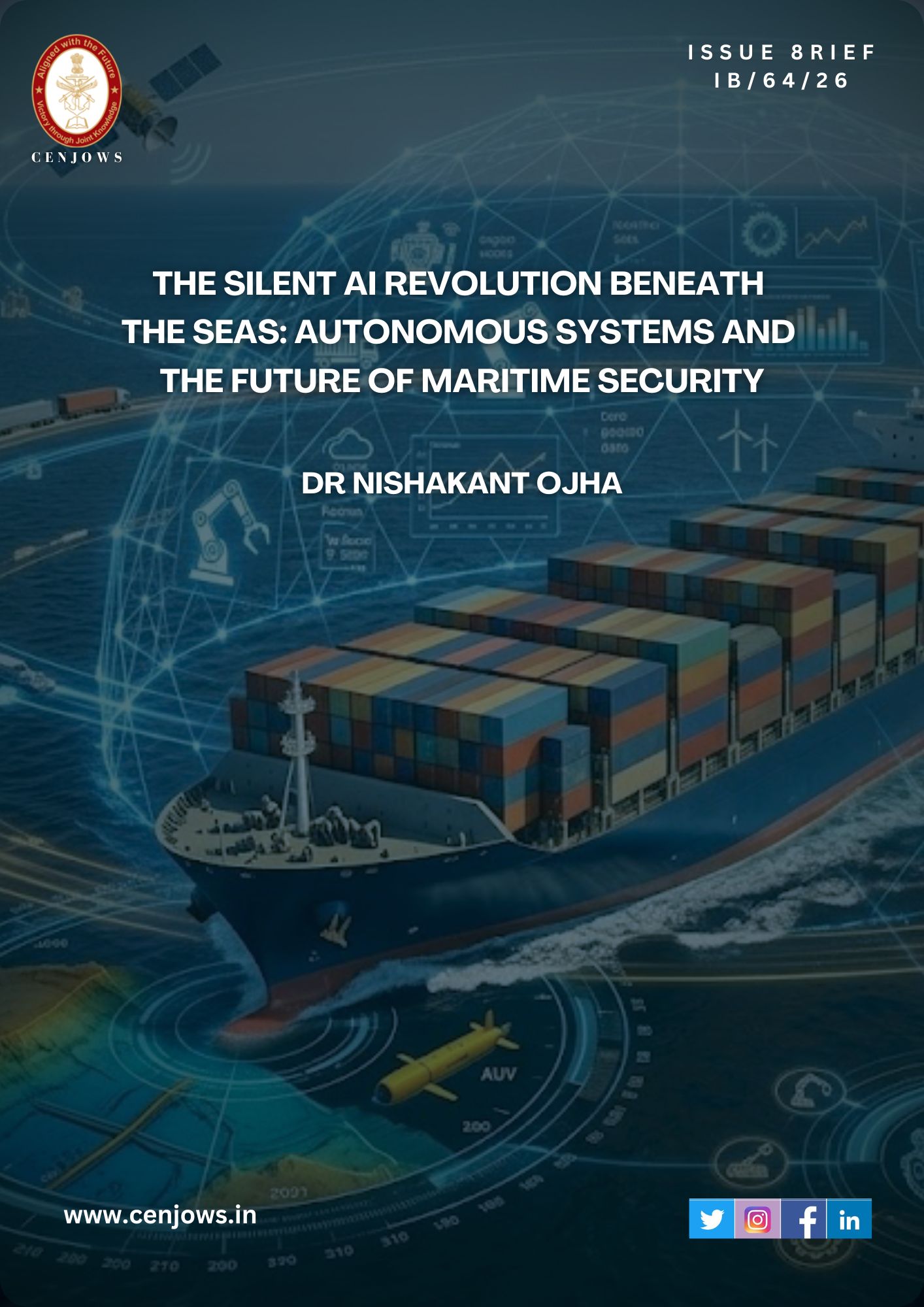
Artificial intelligence is transforming the maritime domain as significantly as it is transforming the battlefields of Ukraine and the data centres of Silicon Valley, but it is doing so largely out of public view, beneath the waves and along shipping lanes that most people never think about. Over the past three years, a wave of autonomous underwater vehicles (AUVs), uncrewed surface vessels (USVs), and AI-enabled sensor networks has moved from experimental prototypes to operational deployment across navies, coast guards, and port authorities worldwide. At the same time, the very infrastructure these systems are meant to protect, undersea cables, pipelines, and offshore energy assets, has come under sustained, deniable attack, most visibly in the Baltic Sea, where more than a dozen cables and pipelines have been damaged since 2022. This brief examines the technological drivers of this “silent revolution,” the emerging threat landscape it responds to, the regulatory and legal frameworks struggling to keep pace, and the policy choices facing governments, alliances, and industry. It concludes that autonomous maritime systems offer real security gains, persistent surveillance, reduced risk to human crews, and cost-effective mass but that their proliferation is outrunning the legal, ethical, and attribution frameworks needed to govern them responsibly.