
Introduction
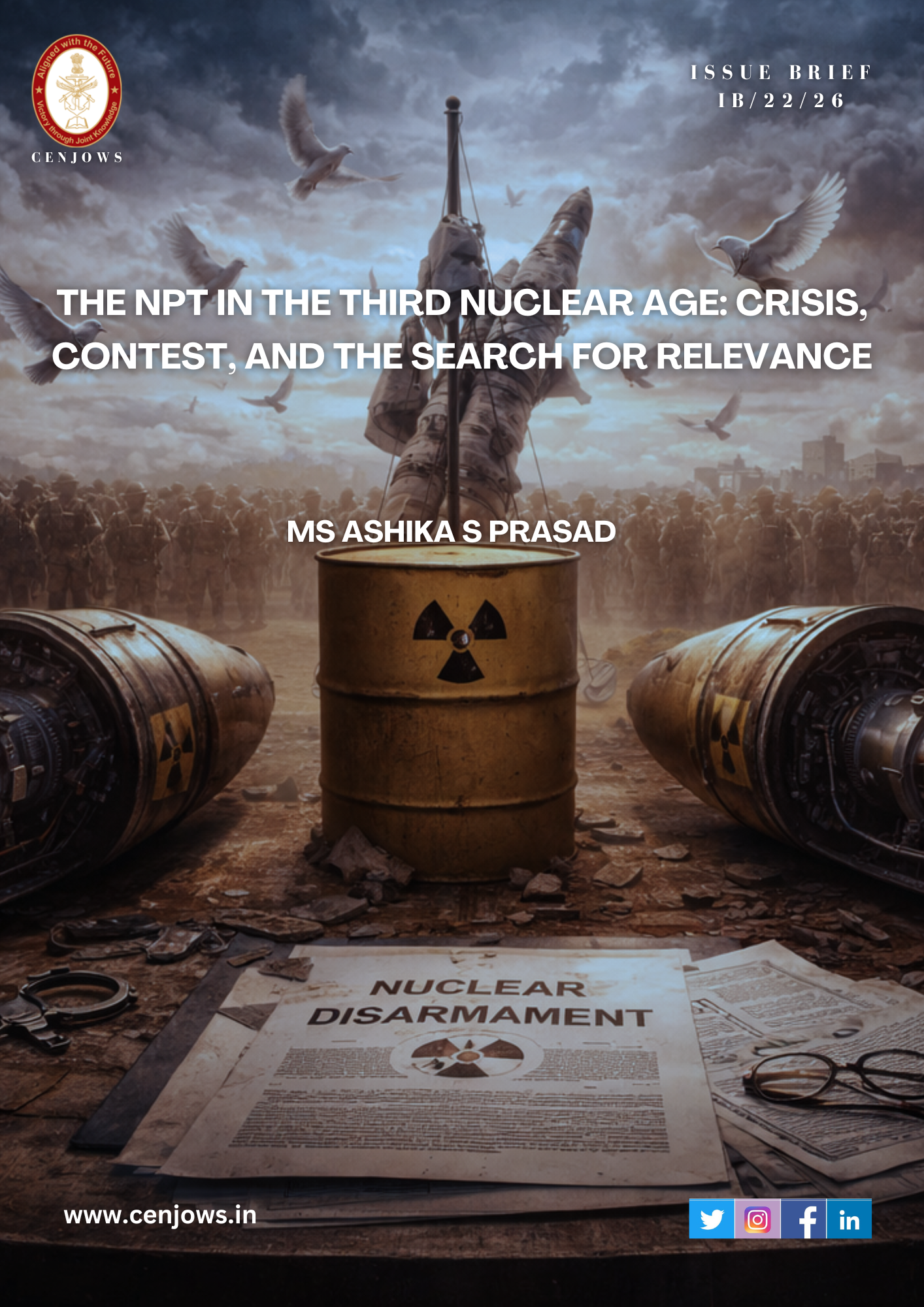
For over five decades, the Non-Proliferation Treaty (NPT) for nuclear weapons has stood as the cornerstone of global nuclear order, built upon a carefully constructed but increasingly fragile compromise between nuclear-weapon states (NWS) and non-nuclear-weapon states (NNWS). At the heart of this arrangement was a fundamental exchange: non-nuclear-weapon states agreed to renounce pursuing nuclear arms, and in return, they secured two pivotal promises from the five officially recognised nuclear-weapon states, China, France, Russia, the UK, and the US. These were, first, a genuine commitment to move towards disarmament under Article VI, and, second, an affirmation of their right to harness nuclear energy for peaceful purposes under Article IV. Yet, as the international landscape shifts into what analysts now call the ‘Third Nuclear Age’, the NPT finds itself grappling with an identity crisis driven by rapid technological shifts, weakening traditional diplomatic norms, and a steady decline in the treaty’s institutional strengths.