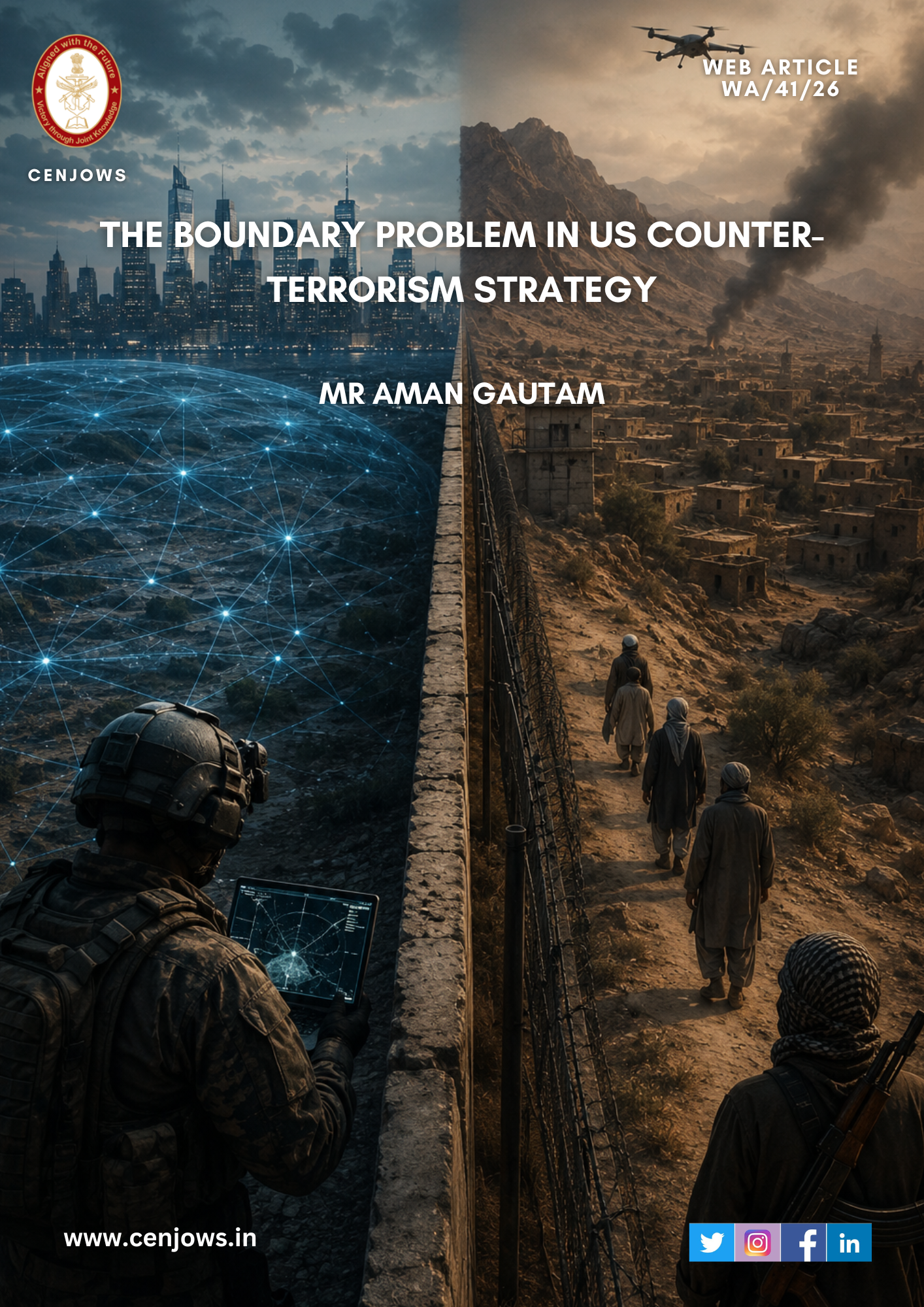

The White House has recently released a new and updated Counterterrorism Strategy of the United States. The previous such strategy was also released under the Trump administration in 2018. While both have been authored under the same administration, the two strategies diverge radically in how they define their primary threats. The new strategy marks a departure from the post-9/11 consensus that recognised legacy Islamist-terrorist groups as top threats for the US. That spot has now been occupied by the narco-terrorists and transnational gangs, positing illicit drugs as a more serious threat than traditional violent terrorism. The geographical pivot is also significant. While the older strategy had a global and expeditionary posture, pursuing terrorists to their source internationally, the new strategy shifts to a hemisphere-first and homeland-centric posture.