
Introduction
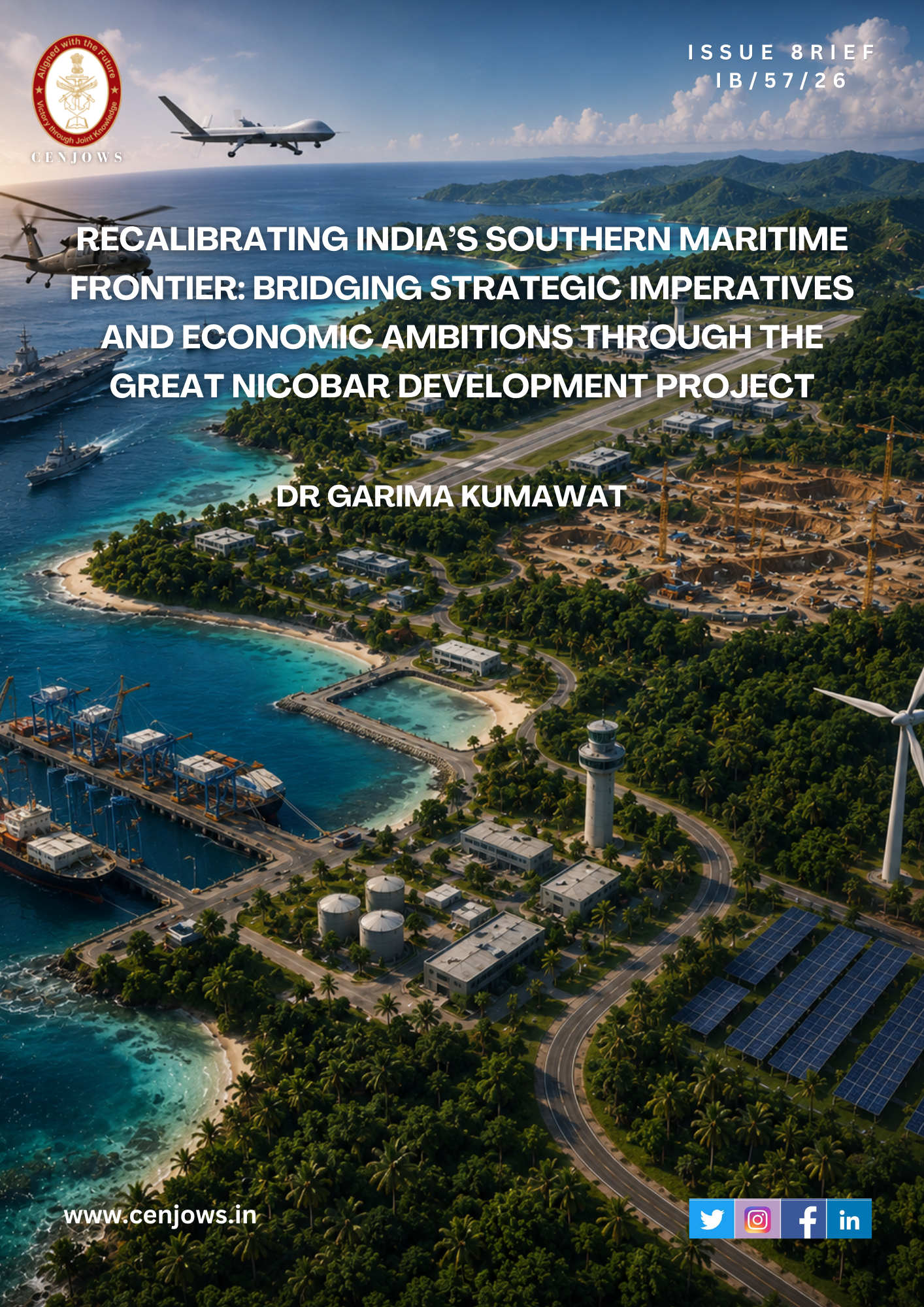
The spatial significance of any region is neither fixed nor inherent but is continually reconfigured through temporal changes in political, economic, and strategic circumstances. The Andaman and Nicobar Islands (ANI) illustrate this transformation driven by the islands’ critical geographic proximity to the Strait of Malacca, one of the world’s most vital maritime chokepoints for trade. Incorporating the island into India’s economic and security framework would significantly enhance its engagement with Southeast Asian nations and the broader Indo-Pacific region, paving the way for deeper and more comprehensive economic and defence cooperation. By identifying the long-standing yet often overlooked geostrategic significance of the Great Nicobar Island (GNI), India aims to enhance its preparedness, vigilance, and operational posture, ensuring it is better positioned to respond effectively to any contingency or disruption on the eastern front. The proposed Holistic Development Project at Great Nicobar, centred on the International Container Transhipment Terminal (ICTT), a greenfield airport, power plant, and township, embodies this shift by repositioning the island from a marginal frontier to a strategic hub within India’s broader developmental and security interests.