
Introduction
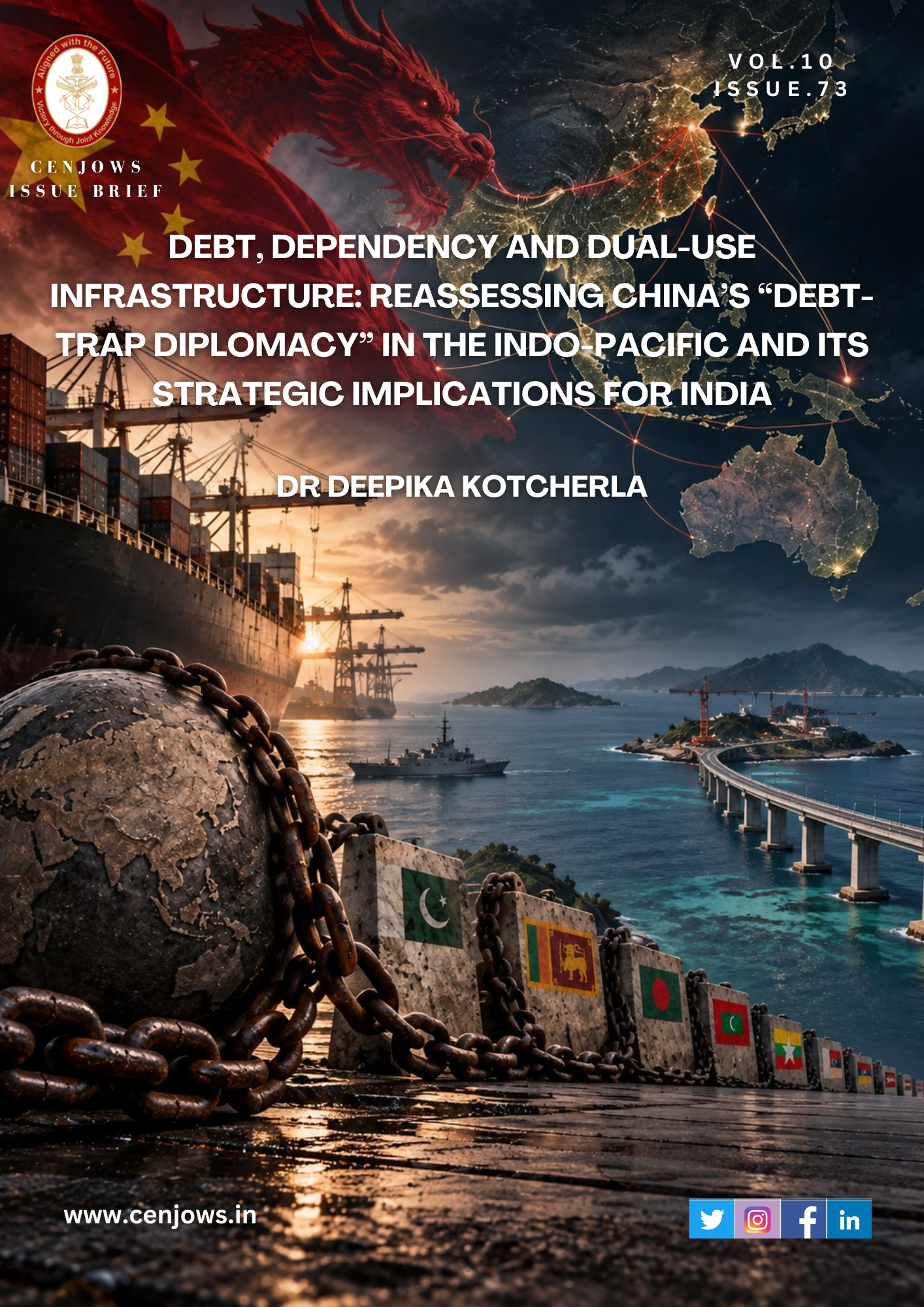
The Indo-Pacific region is the global centre of gravity for geopolitical competition and strategic contention. The pursuit of strategic and diplomatic dominance by the US and China over this region, spanning from the East Coast of Africa to the West Coast of the Americas, has intensified the race for economic and strategic investments. China’s Belt and Road Initiative is an example of the same. The BRI aims at developing shipping routes, ports, and trade centres across the Indo-Pacific. “Debt-trap diplomacy” is a consequence of the same initiative by China, which is extending unsustainable loans to these nations at the expense of their sovereignty over infrastructural endeavours, thus leaving them in unrecoverable debt. The magnitude of the consequent debt burden is striking. According to the latest study released by the Lowy Institute in May 2025, a record-high $22 billion is owed by the world’s most vulnerable nations to Beijing in annual debt service for that year. This represents a rise from less than 20% five years ago, when the amount owed to Beijing was only around $15 billion annually, to over 30% today, making up the lion’s share of international bilateral debt service payments made by the developing countries.