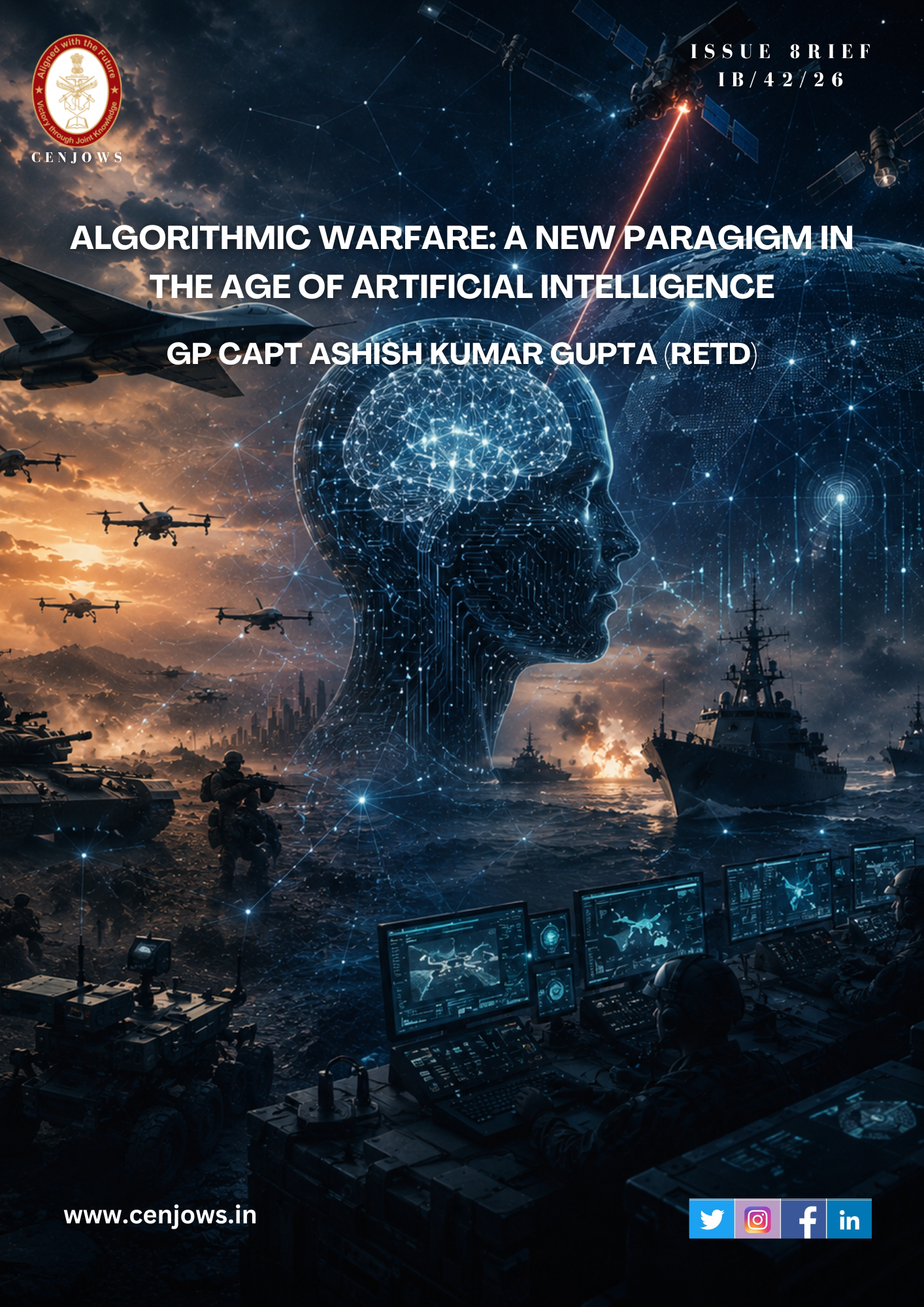

The development of warfare is closely connected to the development of humanity. War didn’t just happen out of the blue; it was a natural result of plans to stay alive. In antiquity, war did not emerge out of nowhere but was a logical extension of the strategies to survive. As humanity evolved from primitive hunter-gatherer societies to advanced and complex civilisations, the trajectory of warfare also changed. Sometimes, this trajectory followed a linear path with only a minor increase in severity and impact, while other times it leapt exponentially in the wake of new technologies, strategies, or both. Modern warfare, shaped by artificial intelligence and quantum computing, is both a continuum of the past and an inflexion in its trajectory. In prehistoric times, the violent interactions between Neanderthals and early Homo sapiens were infrequent, geographically confined, and had not yet developed into a formalised institution. Even in these early times, some rules of war were clear: using simple weapons, working together, making plans, and hurting people. As human societies became more equal, people stopped living in nomadic groups and started living in permanent places. As a result, war changed too, becoming more organised. The early civilisations in Mesopotamia, Egypt, and the Indus Valley transitioned to more structured forms of warfare, with organised armies and specialised weapons. Warfare became a preferred tool for asserting/preserving political authority and expanding territories.