
Abstract
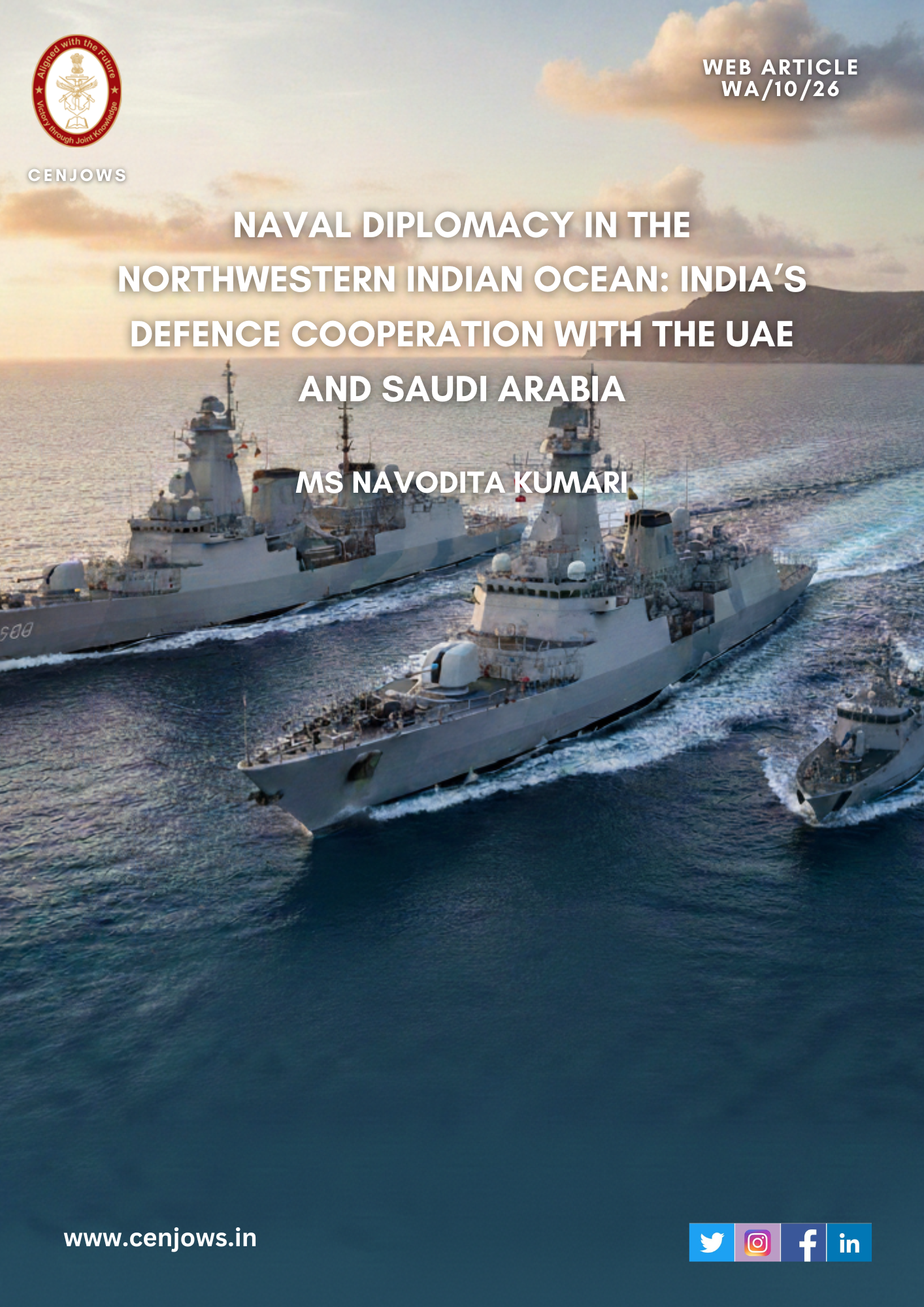
The evolving maritime security dynamics in the Red Sea, driven by Iranian-backed Houthi attacks have highlighted the vulnerability of global supply chains while exacerbating regional rivalries. To tackle this menace, various global and regional powers have formed coalitions like Operation Prosperity Guardian, and Combined Task Force-153 to ensure freedom of navigation and to counter asymmetric threats in the strategic waterways. This paper aims to analyse the geo-strategic and geo-economic ramifications of these attacks on global trade and evaluates the effectiveness of emerging multinational naval alliances in the region. It concludes that although the international naval coalitions have to some extent proved to be effective in addressing the issue, there is a necessity for enhanced real-time data collection, intelligence sharing, and strong coordination among the participant countries to ensure long-term maritime stability in the area.
Keywords: Red Sea, Maritime Security, International Naval Coalitions, Global Economic Security, Freedom of Navigation